Delhi
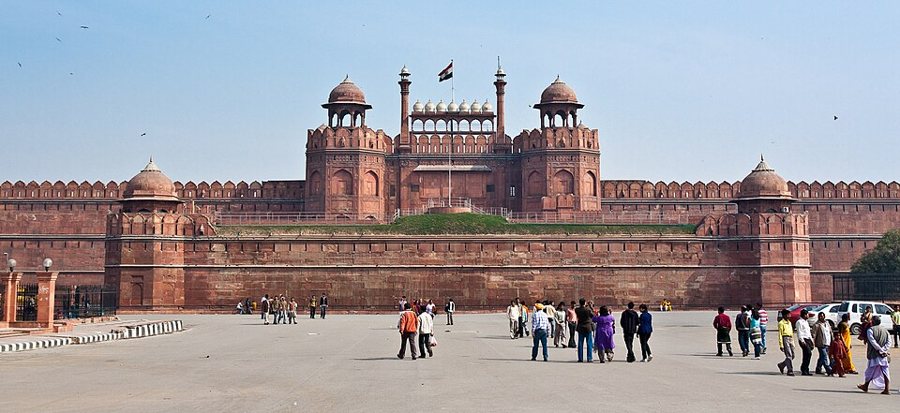
Red Fort
Built by Shah Jahan from 1638 to 1648 as the palace of the Mughal court, where Urdu poetry flourished.
The Poetic Land · Urdu Sanctuary
A language of poets, lovers, storytellers and film. Urdu grew in the courts and streets of Delhi and the Deccan, and it lives today in Pakistan, India and across the world. Here you can learn it, read it and hear it.
یہ زبان دل کی زبان ہے
Music is off until you press play.
Four ways in. Each one opens a part of the sanctuary.
A new word and a new question every day, in Kolkata time. Tap an answer to see why.
Loading today’s question…
What makes Urdu feel so tender: its words, its poetry and its manners. Hover or tap a card.
Urdu poetry is built around a rich set of words for love, longing, separation and devotion: ishq, dil, mohabbat, wafa, …
Urdu poetry is built around a rich set of words for love, longing, separation and devotion: ishq, dil, mohabbat, wafa, judai. Many of these words are used across the whole language, not only in poetry.
محبت بھی کیا چیز ہے
What a thing love is.
The ghazal, a poem of couplets that each stand alone, has been the heart of Urdu poetry for centuries. Poets such as Mi…
The ghazal, a poem of couplets that each stand alone, has been the heart of Urdu poetry for centuries. Poets such as Mir and Ghalib made the ghazal a form where a few lines carry a whole emotion.
Urdu grew in the courts and cities of northern India, and it carries a long habit of polite speech (tehzeeb): honorific…
Urdu grew in the courts and cities of northern India, and it carries a long habit of polite speech (tehzeeb): honorific forms, careful greetings and gentle ways of saying things.
آپ کا شکریہ
Thank you (polite).
Urdu has many sounds from Arabic and Persian and a flowing rhythm that suits recitation. Mushairas, public poetry gathe…
Urdu has many sounds from Arabic and Persian and a flowing rhythm that suits recitation. Mushairas, public poetry gatherings, have long been a place where people hear poems read aloud.
Urdu has been written and loved by people of many faiths and regions, from Delhi and Lucknow to Hyderabad, Lahore and K…
Urdu has been written and loved by people of many faiths and regions, from Delhi and Lucknow to Hyderabad, Lahore and Karachi. Its poetry speaks of shared feelings more than of any single community.
Rekhti is a genre of Urdu poetry in which the poet speaks in a woman's voice about love and daily life. It flourished i…
Rekhti is a genre of Urdu poetry in which the poet speaks in a woman's voice about love and daily life. It flourished in Lucknow in the 18th and 19th centuries.
Common ideas about Urdu, checked against sources. Tap a card to read the full article.
Fact: Urdu is spoken and written by people of many faiths. It grew out of the Hindustani speech of northern India, and many of its major writers were Hindu…
Read the full article →MythFact: In everyday speech they share the same base, Hindustani from Khari Boli, and most daily words and grammar are the same. The main differences are the …
Read the full article →MythFact: Urdu is a full everyday language. It is the national language of Pakistan, used in government, schools, newspapers and TV, and a spoken language acro…
Read the full article →MythFact: Urdu was spoken and written in India long before Pakistan existed in 1947. Its roots lie in the medieval Delhi region, and its major poetic tradition…
Read the full article →MythFact: India has the largest number of Urdu speakers of any country, according to census counts. Urdu is spoken in many Indian states, from Delhi and Luckno…
Read the full article →MythFact: Urdu has tens of millions of speakers in India and Pakistan, and it is widely used in films, music, newspapers and social media.
Read the full article →From the Khari Boli of Delhi, through the courts and the Deccan, to the language of today.
Urdu grew up in and around Delhi from the late medieval period onwards. Its base is Khari Boli, the everyday speech of the Delhi region, which is also the base of standard Hindi. Over centuries it took in many words and forms from Persian, Arabic and Turkic, and later from local languages.
The name 'Urdu' is usually traced to the Turkic word 'ordu', meaning camp or army headquarters. The popular story that Urdu was born in army camps is common, but historians treat it as a simplification: the language developed gradually through trade, the courts of Delhi and other cities, and the mixing of people, not in one camp at one time.
Before it was called Urdu, the language had other names. Writers called it Hindavi, Hindi or Hindustani, and its poetic form was known as Rekhta, 'the mixed style'. The name Urdu came into wider use in the 18th century, when the language also became the vehicle of a major poetic tradition in Delhi and Lucknow.
In the Deccan, in cities such as Bidar, Golconda and later Hyderabad, a southern branch called Dakhni or Deccani developed under the Bahmani and later sultanates, and it produced some of the earliest Urdu poetry. Its vocabulary and sounds differ in places from northern Urdu.
Urdu is written in a version of the Perso-Arabic script, usually in the nastaliq style, which runs from right to left. Standard spoken Urdu and standard spoken Hindi share the same grammar and most everyday words; they differ mainly in script and in how much vocabulary is taken from Persian and Arabic (Urdu) or from Sanskrit (formal Hindi).
India first, then Pakistan. Tap a highlighted country or a numbered city to read what is known there. Figures come from census counts and vary by source.
Poets and prose writers of Urdu. Tap any card to open the full profile with their classic writings.
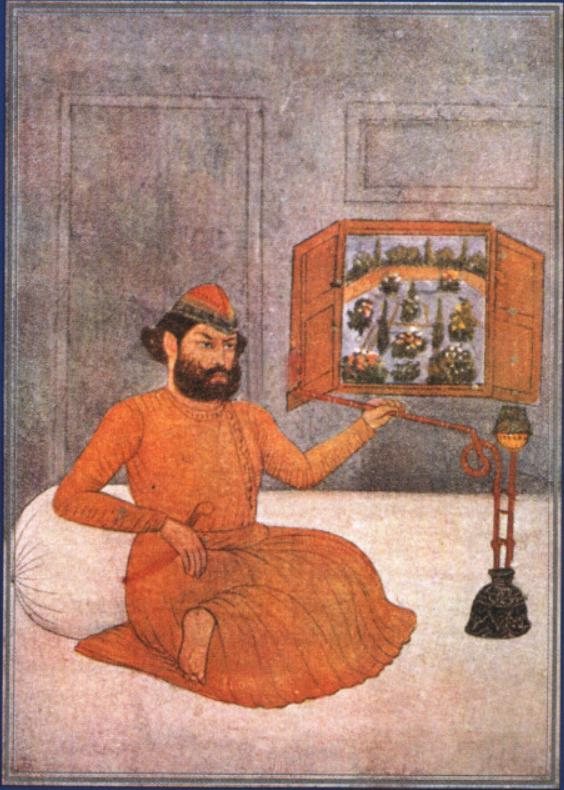
One of the pioneers who gave shape to Urdu poetry, and a principal poet of the Delhi school of the ghazal. He spent the later part of his life at the court of Asaf-ud-Daulah in Lucknow. His ghazals on love, loss and the suffering heart are still among the most read in Urdu.
Open profile and classic writings →
A major 18th-century poet and a contemporary of Mir Taqi Mir. He was known for his qasidas (long odes) and for his sharp satirical verse. He spent his last years in Lucknow.
Open profile and classic writings →
A Sufi poet of Delhi and a contemporary of Mir Taqi Mir, known for his deep knowledge of Indian music. His poetry turns on mysticism, the self and the passing of the world.
Open profile and classic writings →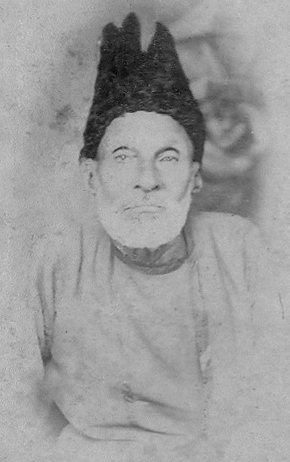
The best-known Urdu poet of the 19th century, writing in Urdu and Persian through the last years of the Mughal empire. His ghazals on love, doubt and the human condition are widely read. He also wrote letters and an eyewitness account of the 1857 revolt.
Open profile and classic writings →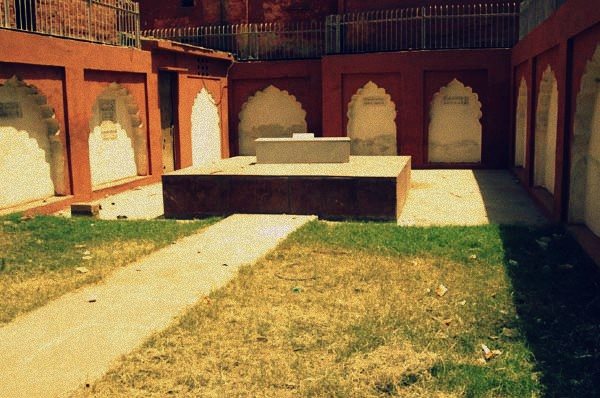
Poet laureate of the Mughal court in Delhi and teacher of the emperor Bahadur Shah Zafar, who gave him the title Khaqani-e-Hind. He is known for polished, clear ghazals and for his long rivalry with Ghalib.
Open profile and classic writings →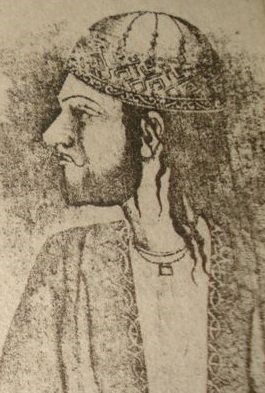
A ghazal poet of late-Mughal Delhi, a contemporary of Ghalib and Zauq, and a hakim (traditional physician) by training. He is known for romantic, finely worked ghazals on love.
Open profile and classic writings →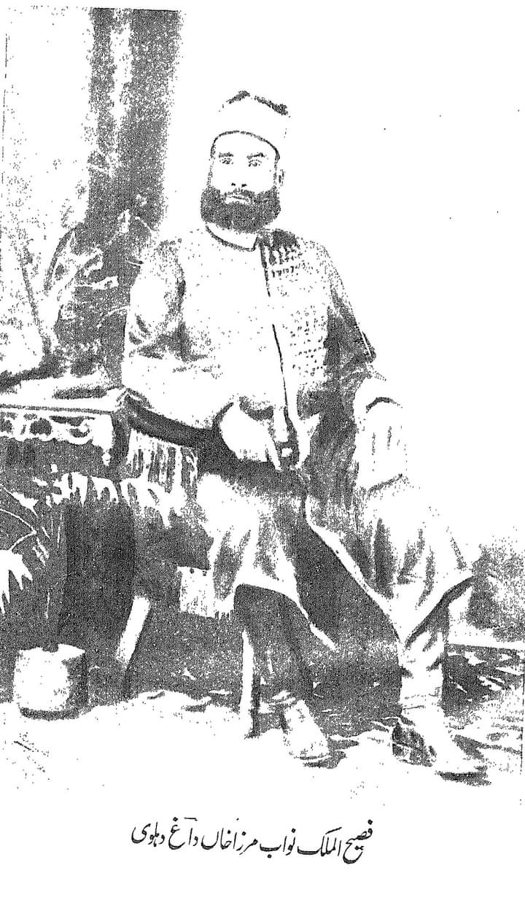
A ghazal poet of the Delhi school who spent his later years at the court of the Nizam of Hyderabad. Known for clear, elegant ghazals and for his couplet praising Urdu as a language, and he taught many poets.
Open profile and classic writings →Known as the father of the nazm, he wrote about ordinary life: markets, seasons, fruits, animals and the festivals of the city. His best-known poem, Banjaranama, is a satire on pride and the passing of wealth.
Open profile and classic writings →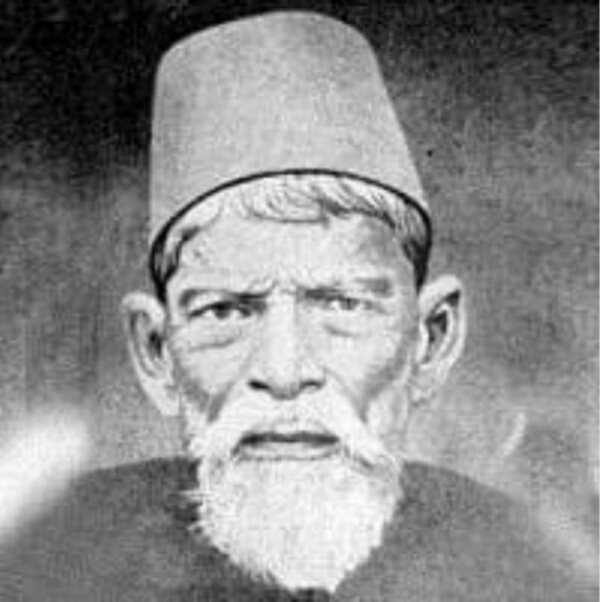
A satirist who worked as a judge in the British administration and used his verse to mock the rush towards Western ways and the hypocrisies of his time. In the Muslim community he was known as Lisan-ul-Asr (the tongue of the age).
Open profile and classic writings →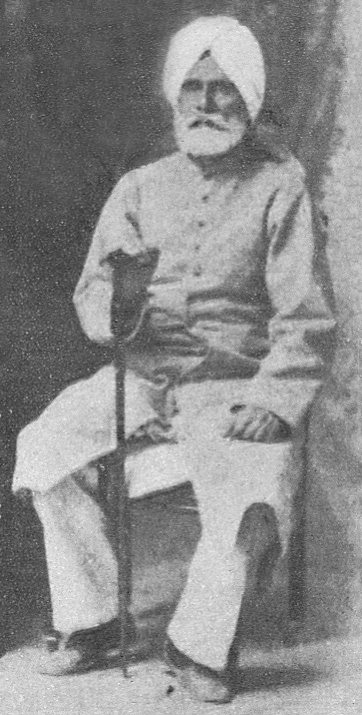
A poet, critic and biographer of the Aligarh movement around Sir Syed Ahmad Khan. His Musaddas (1879) on the ebb and flow of Islam, and his prose criticism, helped shape modern Urdu literature.
Open profile and classic writings →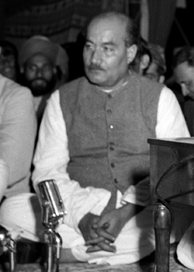
A fiery poet of revolt and freedom, known as Shayar-e-Inqalab (poet of revolution). He wrote for decades on social justice and personal liberty. His autobiography Yaadon ki Barat is known for its frank style.
Open profile and classic writings →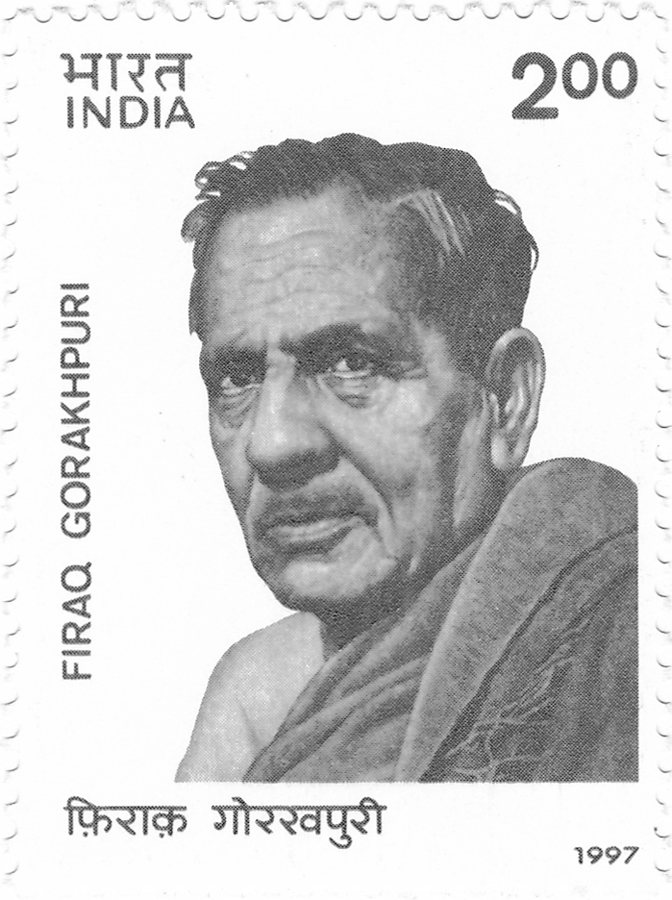
Born Raghupati Sahay in Gorakhpur to a Hindu Kayastha family, he became one of the notable Urdu poets of India, a critic and a teacher. He won the Jnanpith Award in 1969.
Open profile and classic writings →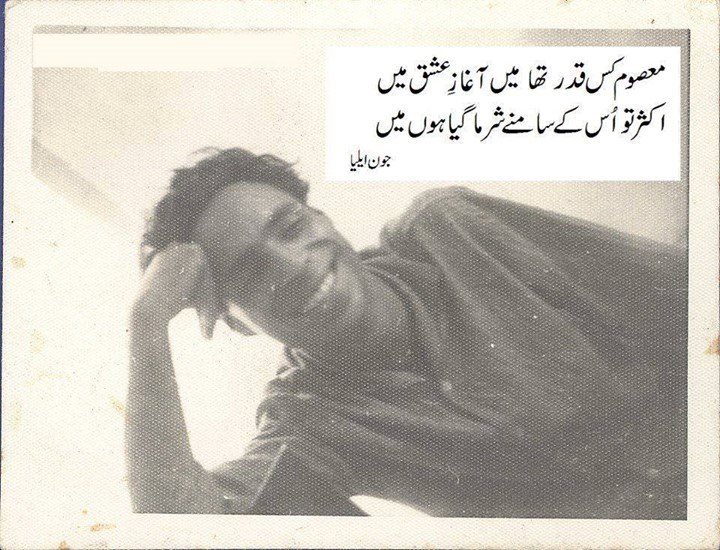
A modern Urdu poet known for unconventional, restless ghazals on love, doubt and philosophy. His diction is rooted in the classical tradition, but he wrote on new subjects.
Open profile and classic writings →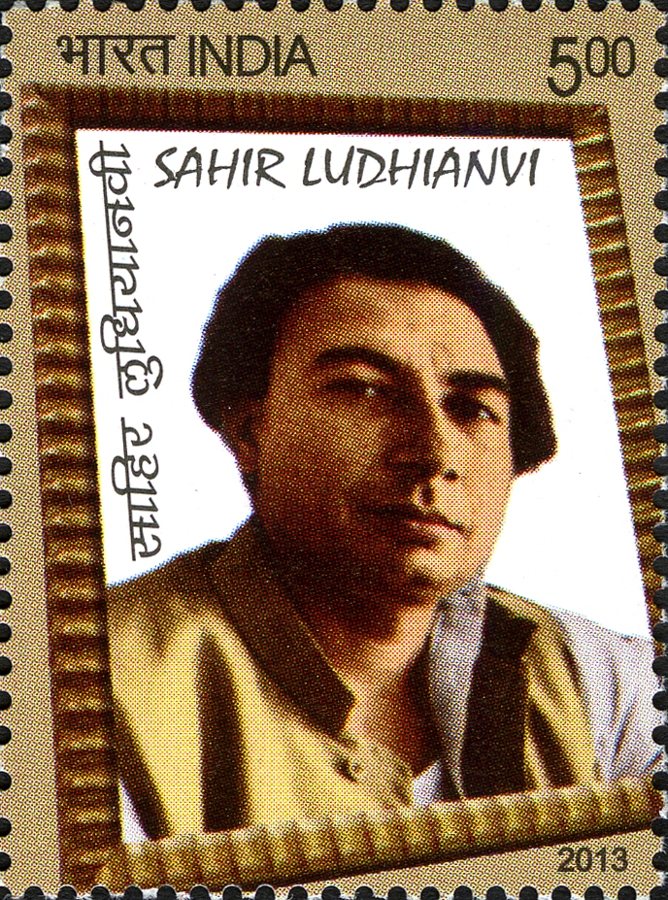
One of the great film lyricists of Indian cinema, who also wrote Urdu poetry. He won two Filmfare awards for best lyricist, for Taj Mahal (1963) and Kabhie Kabhie (1976), and the Padma Shri in 1971.
Open profile and classic writings →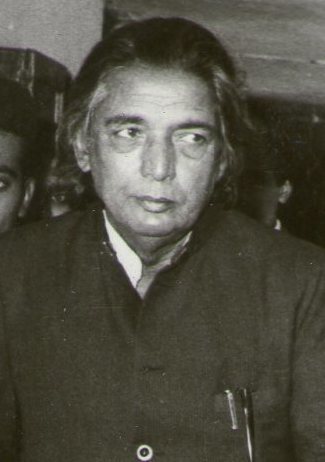
A poet, film lyricist and screenwriter who brought Urdu poetry into Hindi cinema. A Progressive poet and communist, he was married to the actress Shaukat Kaifi.
Open profile and classic writings →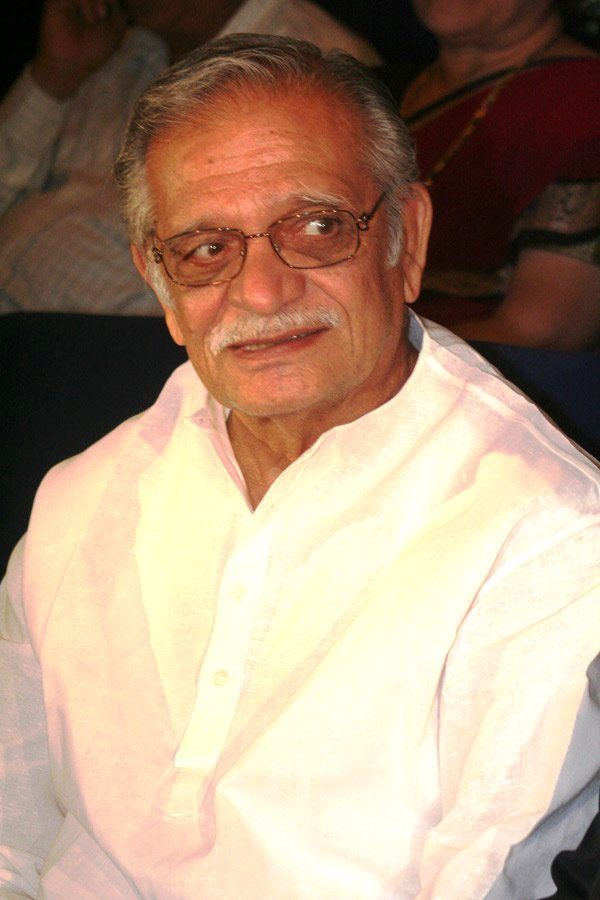
Poet, lyricist, screenwriter and film director, known for his Urdu and Hindi poetry in Indian cinema. He began as a lyricist with Bandini (1963) and has written lyrics for many of Hindi cinema's best-loved films.
Open profile and classic writings →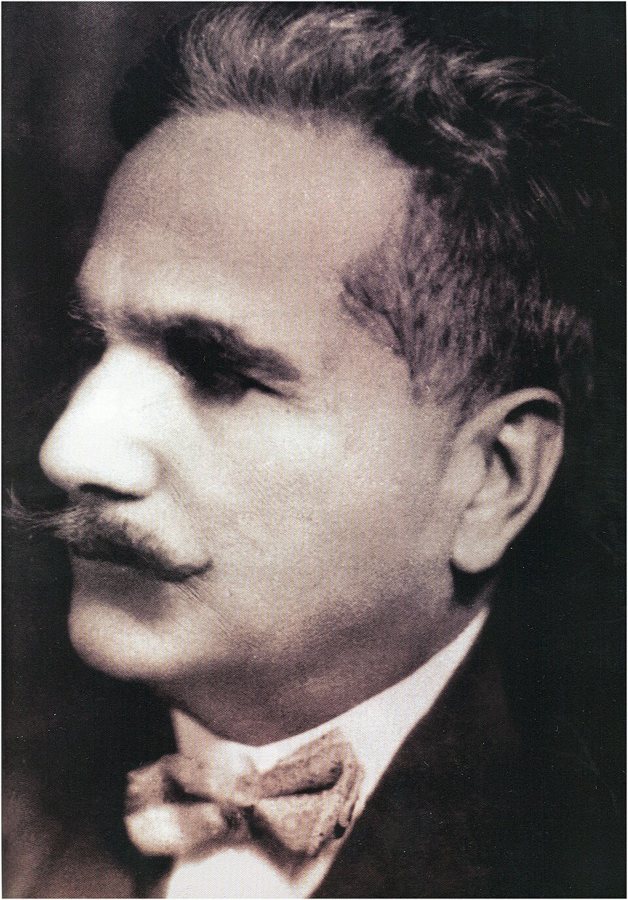
A poet and philosopher, widely regarded as one of the great Urdu poets of the 20th century. His poetry explores selfhood, faith and renewal, and his vision for Muslims in British India is widely seen as one of the inspirations of the Pakistan movement.
Open profile and classic writings →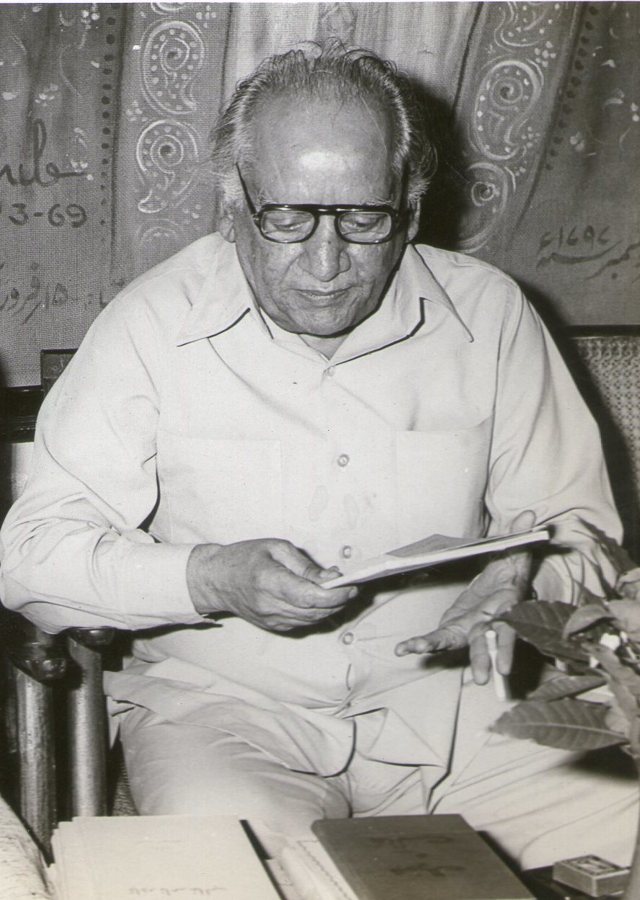
A major Urdu poet of the 20th century, associated with the Progressive Writers' Movement. His poems on love, justice and resistance are loved in both India and Pakistan.
Open profile and classic writings →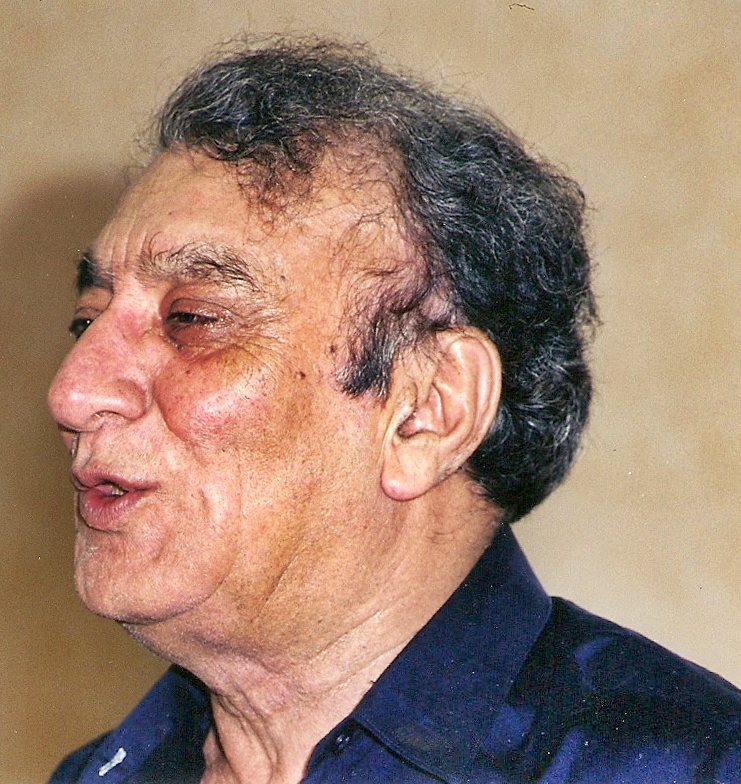
A Pakistani poet and first director general of the Pakistan Academy of Letters. He criticised military rule in his poems, and his romantic and protest ghazals were widely sung.
Open profile and classic writings →
A Pakistani poet and civil servant whose poems gave a distinctive women's voice to Urdu poetry. She died in a road accident at 42, and an annual literary festival in Islamabad is held in her memory.
Open profile and classic writings →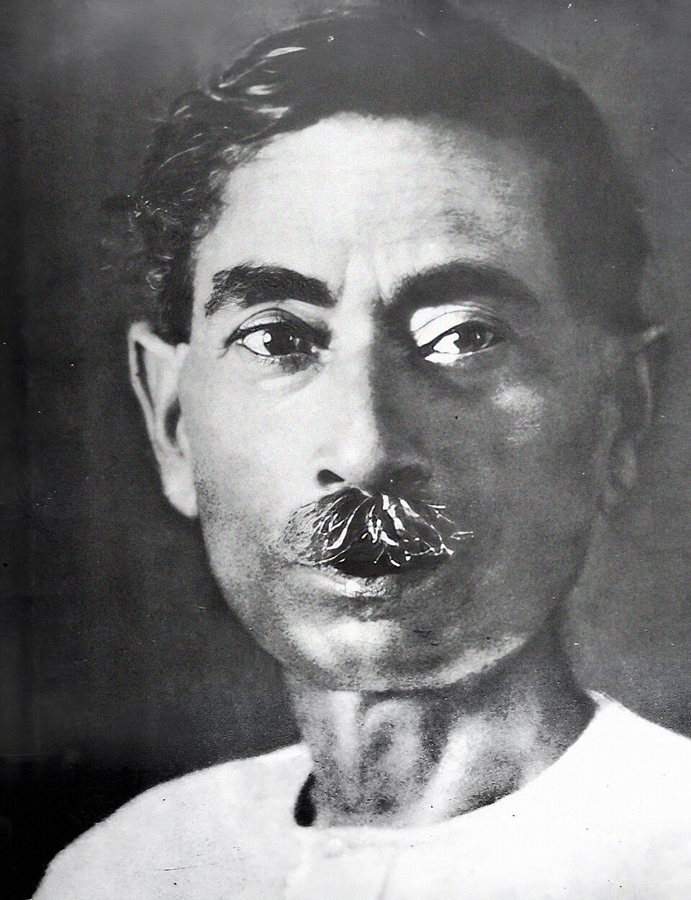
The novelist and short story writer who began in Urdu as Nawab Rai, then wrote in Hindi, and who gave modern fiction to both languages.
Open profile and classic writings →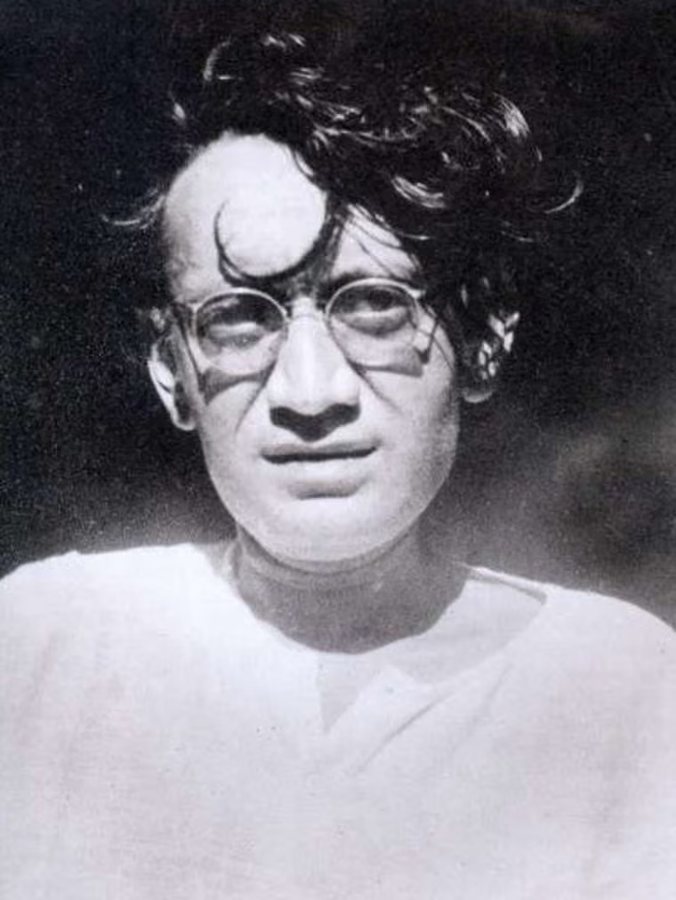
The short story writer who wrote about Partition, poverty and hypocrisy with unflinching honesty.
Open profile and classic writings →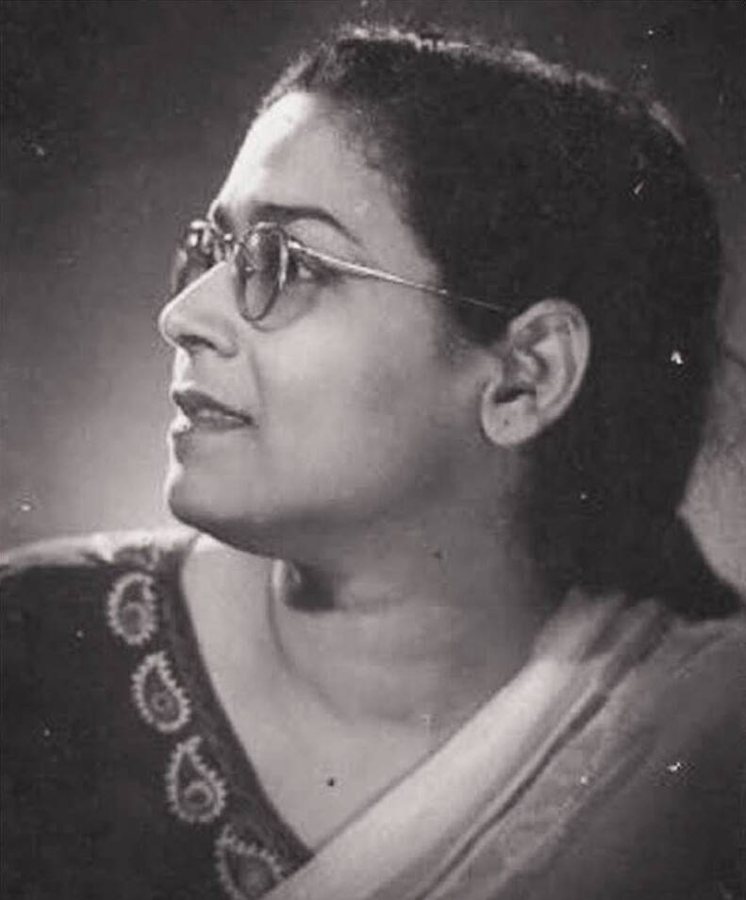
A novelist and short story writer who wrote frankly about women's lives and desire in conservative families.
Open profile and classic writings →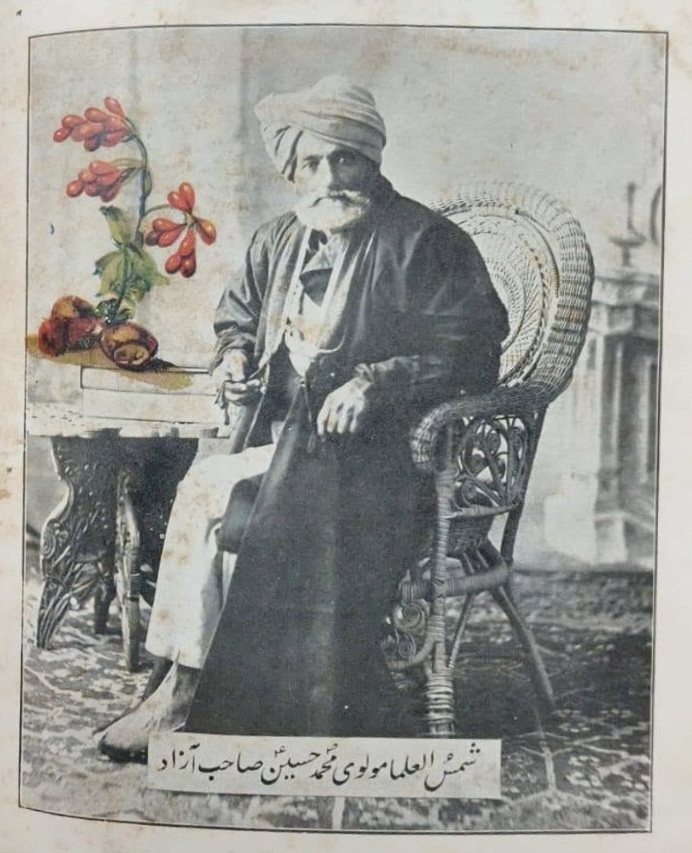
A critic and prose writer who wrote the history of Urdu poetry in a lively, readable style.
Open profile and classic writings →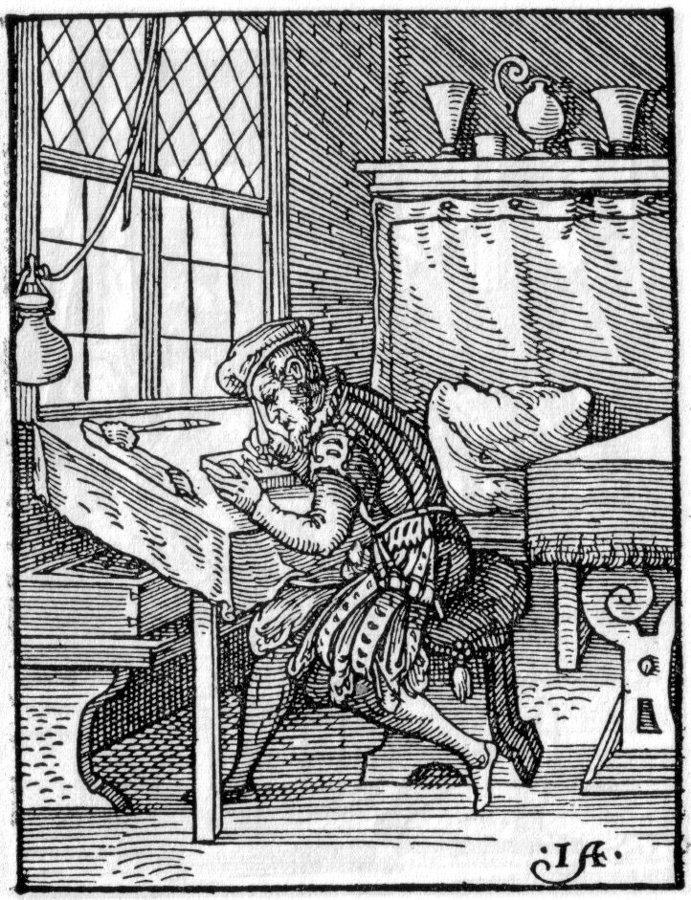
A storyteller whose prose classic of the four dervishes is one of the first major works of Urdu fiction.
Open profile and classic writings →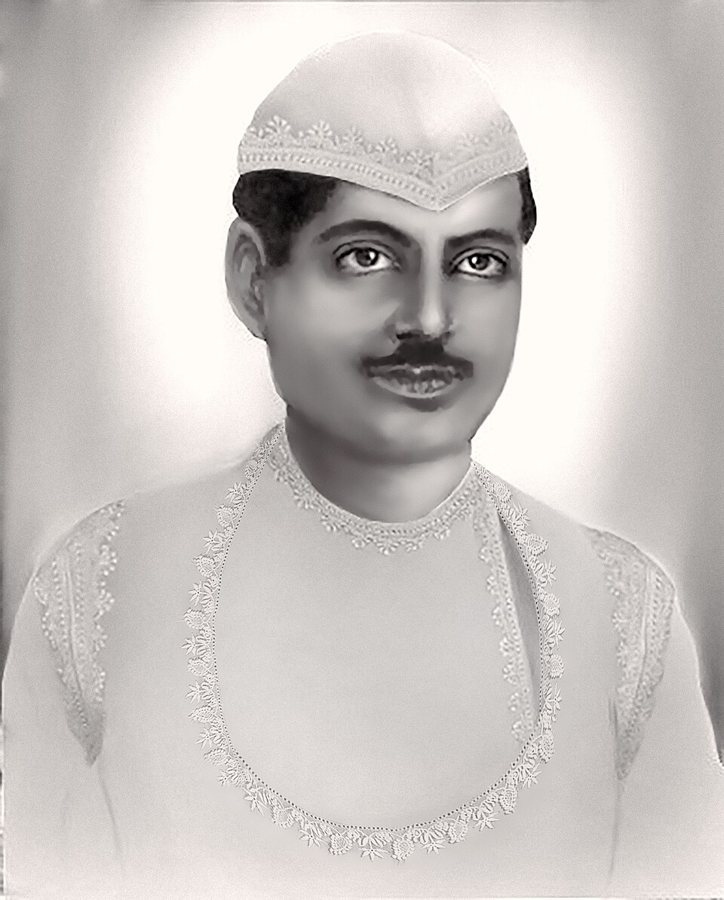
A novelist of Lucknow whose story of a courtesan poet became a classic of Urdu fiction.
Open profile and classic writings →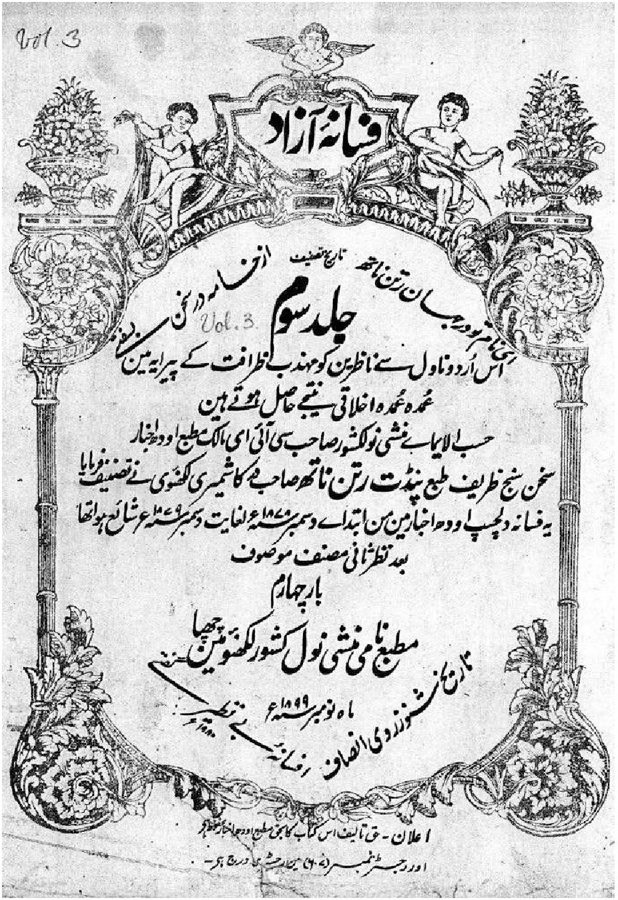
A Kashmiri Pandit writer whose long novel about a wandering aristocrat is a major work of Lucknow's Urdu prose.
Open profile and classic writings →Monuments and institutions tied to Urdu, with photos from public collections. Each photo credits its author.
Built by Shah Jahan from 1638 to 1648 as the palace of the Mughal court, where Urdu poetry flourished.
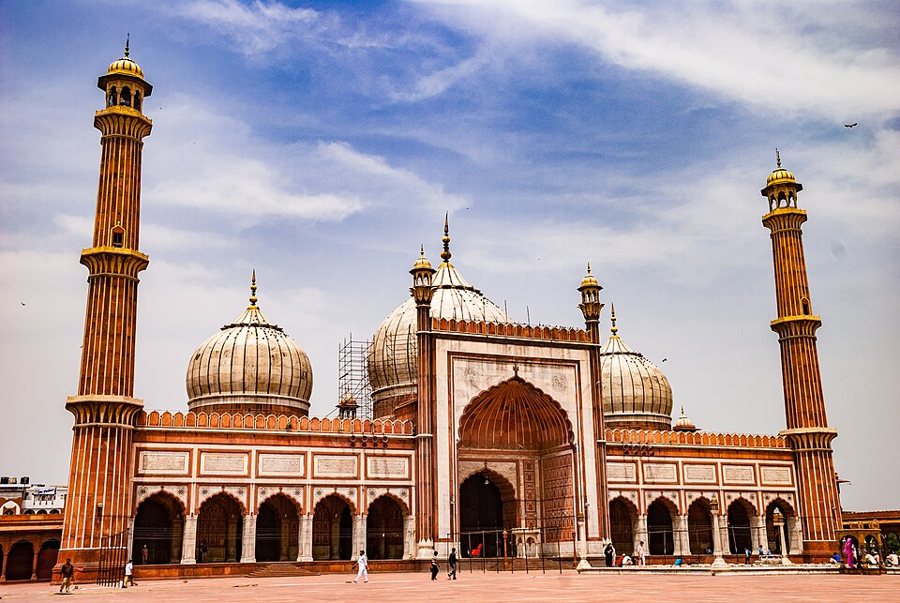
Completed in 1656 by Shah Jahan. The mosque stands opposite the Red Fort and is one of the largest in India.
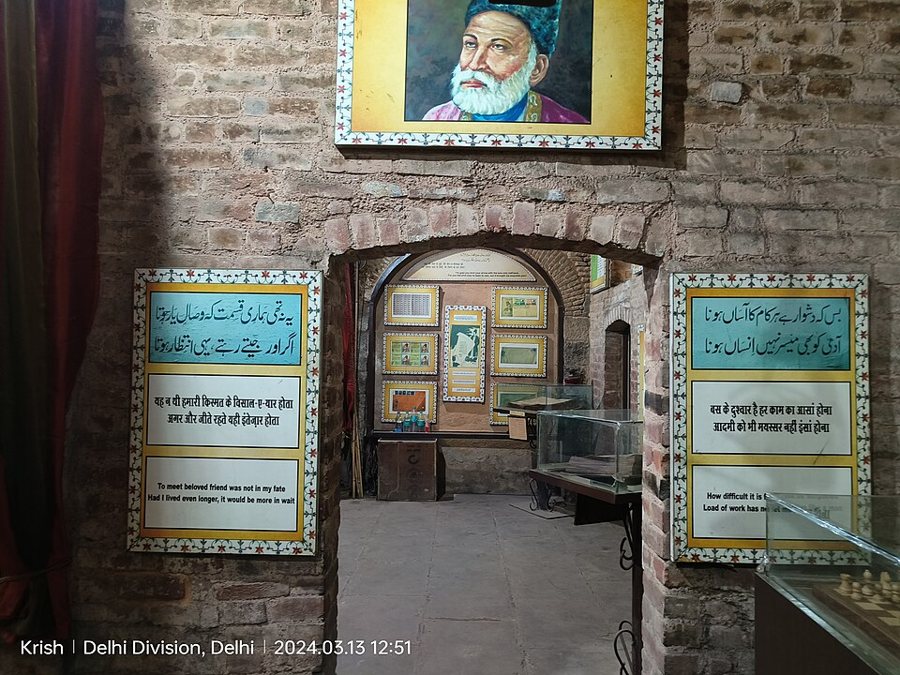
The old house in Ballimaran where Mirza Ghalib lived and wrote in the 19th century.
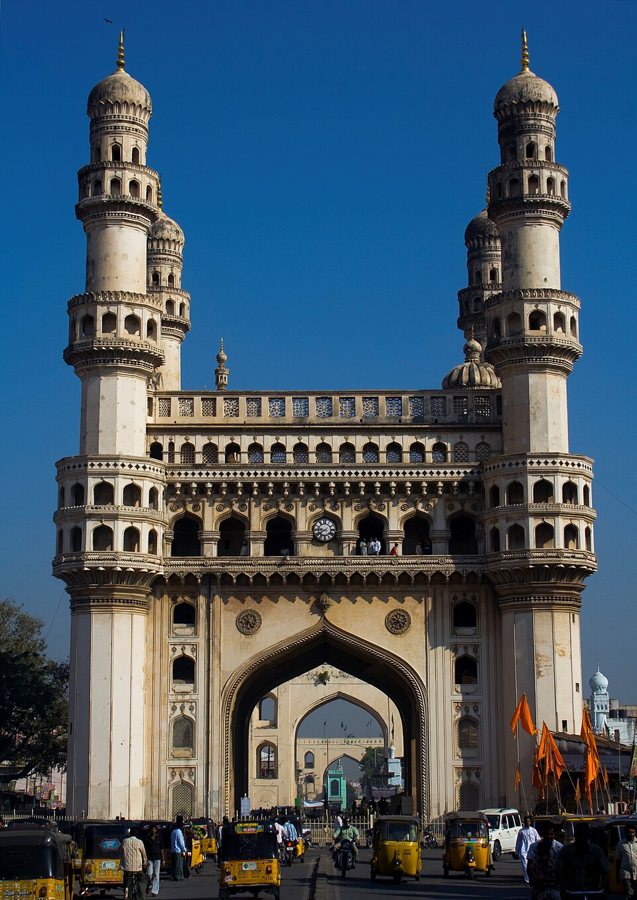
Built in 1591 at the centre of old Hyderabad, a city with a long Urdu and Deccani tradition.
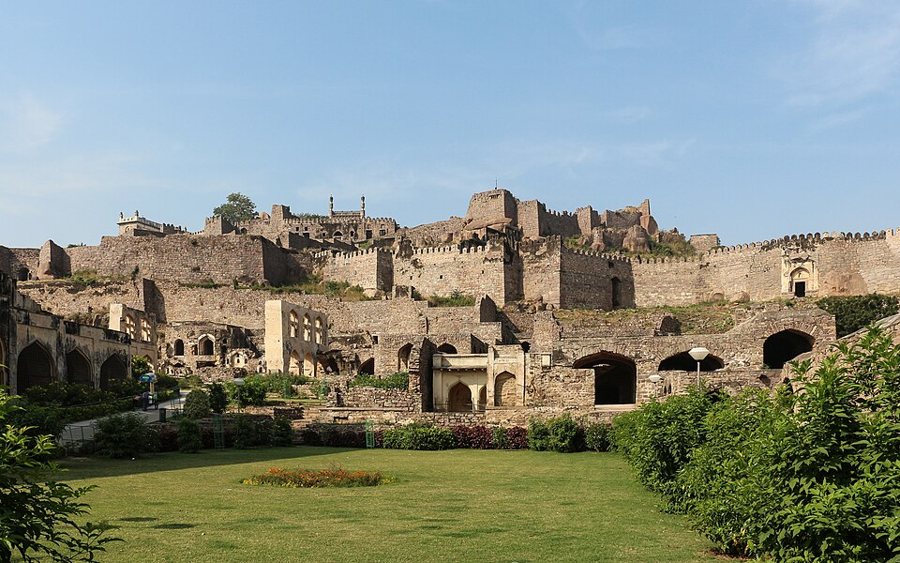
The fort of the Qutb Shahi sultans, whose courts were home to early Deccani Urdu poetry.
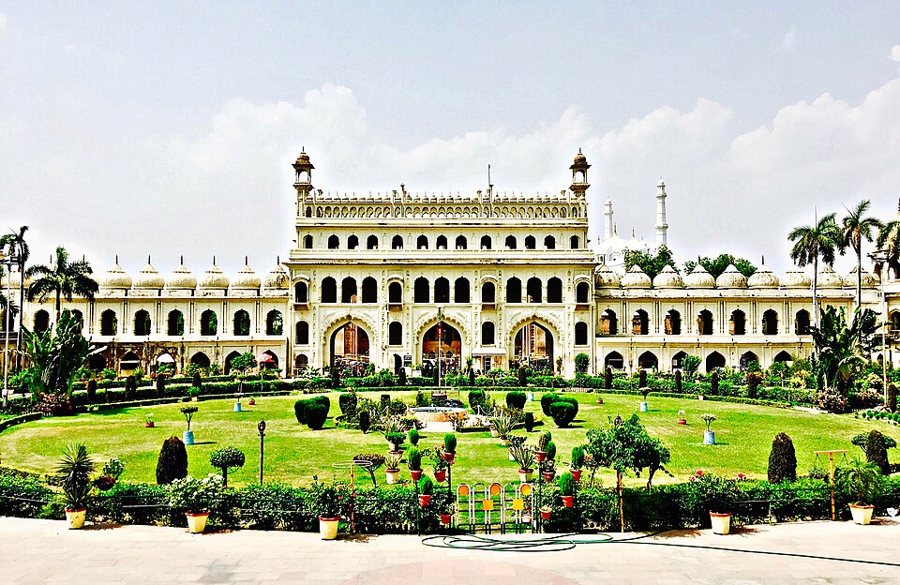
Completed in 1784 in Lucknow, the city of courtly Urdu and of the Lakhnavi style.
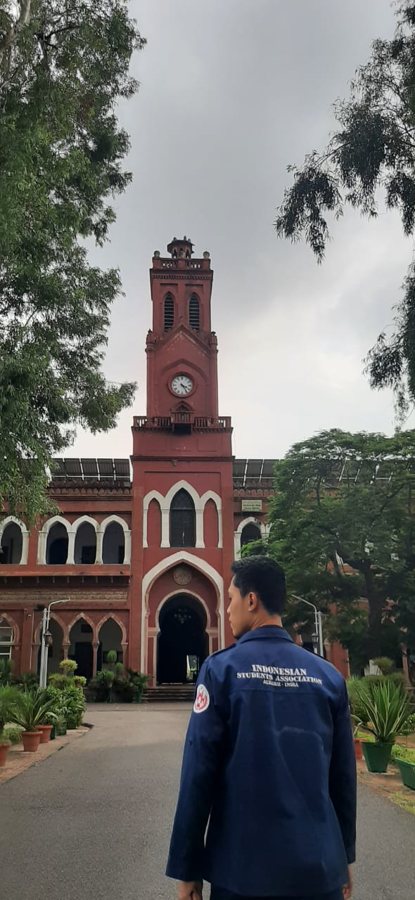
Founded in 1875 as the Muhammadan Anglo-Oriental College by Sir Syed Ahmad Khan. It has a long Urdu department.
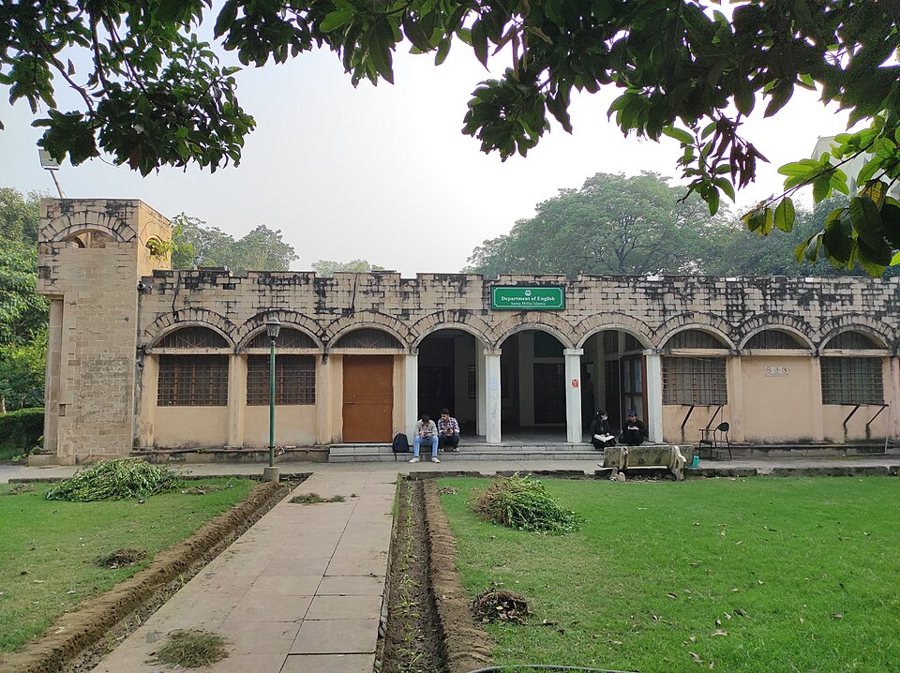
Founded in 1920 and later based in Delhi. It has an Urdu department that teaches language and literature.
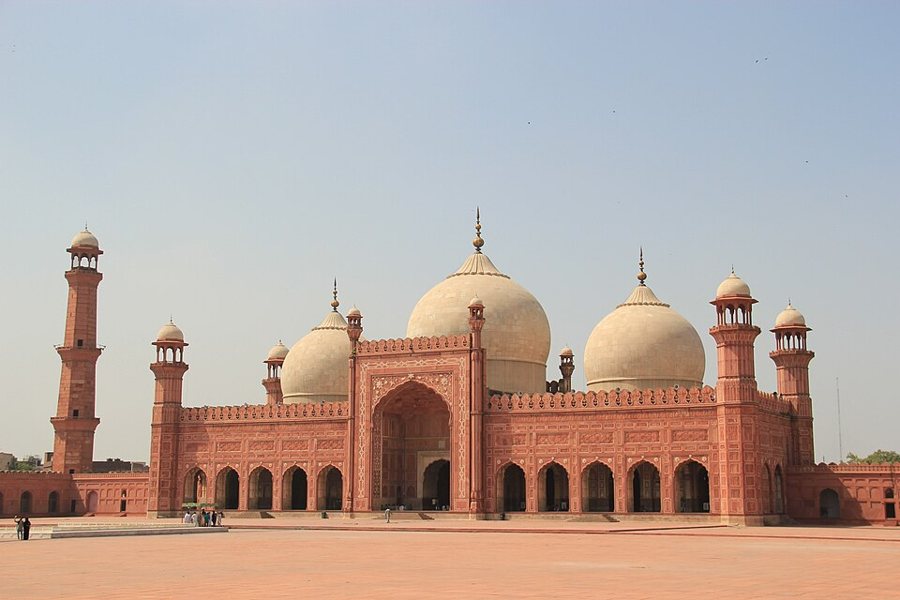
Built in 1673 by the Mughal emperor Aurangzeb, next to the Lahore Fort.
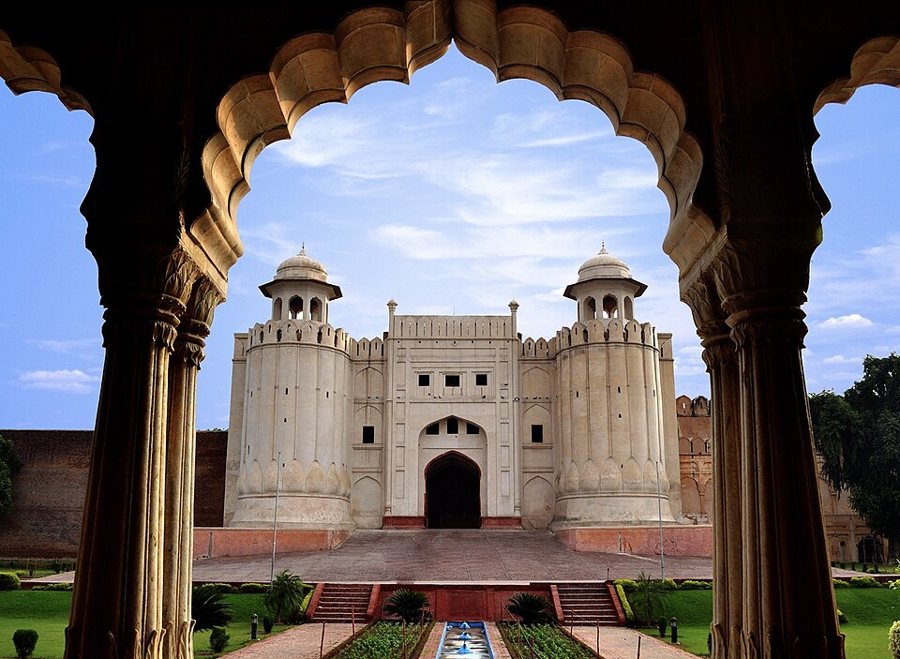
The Mughal fort of Lahore, a short walk from the Badshahi Mosque and Iqbal's tomb.
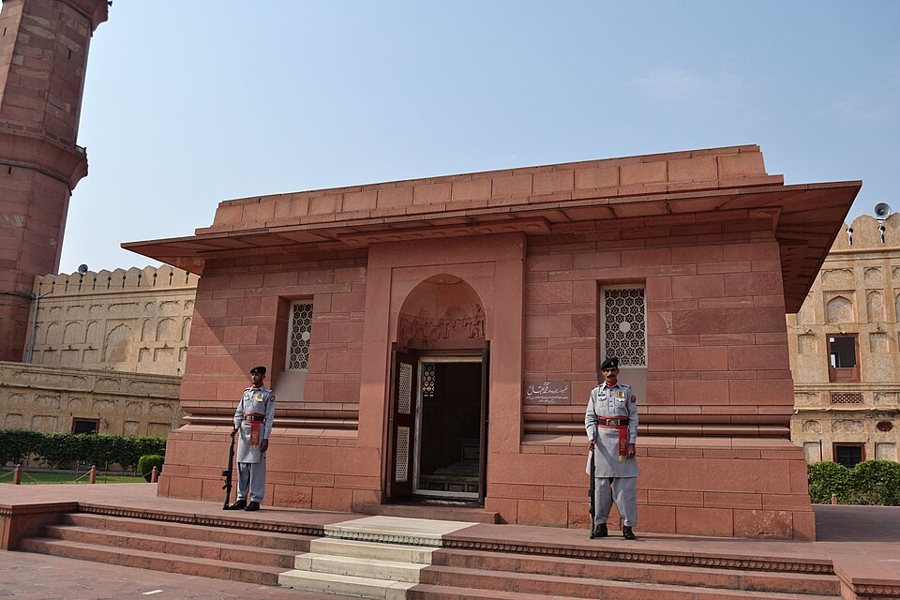
The mausoleum of the poet Allama Muhammad Iqbal, near the Badshahi Mosque. He wrote most of his Urdu poetry in Lahore.
A government council that promotes Urdu through publications, teaching and literary events.
Founded in 1969 in Delhi to study and publish the work of Mirza Ghalib and Urdu literature.
A historic Urdu society that promotes the language and its literature. It moved its base to Delhi in 1938 and is based in New Delhi today.
A central university with an Urdu department that teaches language and literature.
Teaches Urdu language and literature and holds Urdu research and poetry events.
The first Indian university to use Urdu as its language of instruction, and still a centre of Urdu learning.
The government body that promotes Urdu as the national language and works on its use in government.
Established by the government of Pakistan to publish and promote the work of Allama Iqbal.
The Pakistani society for Urdu, founded by Maulvi Abdul Haq, known as Baba-e-Urdu; it promotes Urdu literature, dictionaries and publications.
Urdu is not one thing. Each city and region has its own sound, vocabulary and history.
The base of the standard language: Khari Boli with Persian and Arabic vocabulary. Mir and Ghalib wrote in this style, which many writers still treat as the classic model.
Known for courtly politeness, elaborate vocabulary and a soft, careful pronunciation. Rekhti poetry flourished here.
A regional form with Dakhni roots, Telugu influence in some words, and its own sounds. Osmania University was an early Urdu-medium university.
The earliest literary Urdu. It keeps older forms and many words from the south, and its early poetry (from the 15th to 17th centuries) is still read.
The early name for the poetic language of Urdu. The word means 'mixed' or 'poured together' and the form is the root of the modern ghazal tradition.
Used in newspapers, films and poetry across India. It is close to Pakistani Urdu in grammar, with some differences in vocabulary and spelling.
The national language of Pakistan, used in government, schools and media. It draws heavily on Persian and Arabic vocabulary in formal speech, and it has its own local words from Punjabi, Sindhi and Pashto.
How Urdu shaped Hindi film songs, dialogue and ghazals. Titles and credits only; no lyrics are quoted here.
Sahir Ludhianvi wrote the lyrics; music by S. D. Burman. Sahir is one of the best-known Urdu poets in Hindi cinema.
Directed by K. Asif, with songs written by Shakeel Badayuni and music by Naushad. Set in the Mughal court, its Urdu is the courtly Urdu of Delhi.
Directed by Kamal Amrohi, with songs by Kaifi Azmi and Majrooh Sultanpuri. A classic of the kotha and ghazal tradition.
Directed by Muzaffar Ali, with lyrics by Shahryar and music by Jaidev.
Directed by Muzaffar Ali, with lyrics by Shahryar and music by Khayyam. Set in Lucknow, it is a film about Lakhnavi manners and the mushaira.
Lyrics by Gulzar, music by Salil Chowdhury. Gulzar brought Urdu nazm into modern Hindi cinema.
Lyricists who wrote in Urdu: Sahir Ludhianvi, Kaifi Azmi, Majrooh Sultanpuri, Shakeel Badayuni, Shahryar and Gulzar. Film credits are checked against two published film sources.
Urdu carries the Sufi tradition of love for God and humanity, sung in the dargahs and in qawwali.
A 13th–14th century poet who wrote in Persian and in the early Hindavi speech that became Urdu. He is traditionally credited with the qawwali form.
Qawwali is devotional music from the Sufi shrines of South Asia. The lyrics are often in Urdu, Persian and Punjabi, and the form is sung in call and response.
The qawwali master from Faisalabad whose recordings carried Urdu devotional song to the world from the 1970s to the 1990s.
The 18th century Sufi poet who wrote mostly in Punjabi. His verses are often sung in the same circles where Urdu ghazals are heard.
Urdu poems, stories, articles and Heartlines from writers on The Poetic Land.
جب بھی اکیلے میں گھبرایا کرتا ہوں،تیری یاد سے دل بہلایا کرتا ہوں۔ یوں تیری الجھی زلفوں کی گھٹاؤں کو،روز انہیں ہاتھوں سے سہلایا کرتا ہوں۔ تیرے ان…
Read →گنگا کے کنارے پہ عجب شام کا رنگ ہےہر لہر میں سورج کی کوئی سرخ ترنگ ہے اک ناؤ چلی جاتی ہے کرنوں کو اٹھائےملّاح کے گیتوں کا…
Read →مالیگاؤں میںبچّےکرگھے کی آواز میں پیدا ہوتے ہیںاور اسی آواز میںسونا سیکھ جاتے ہیں کھٹ کھٹ، کھٹ کھٹیہ آوازمیرے ابّو کی کھانسی میں بھی تھیاور امّی کیچوڑیوں میں…
Read →مئی کی آخری تپتی دوپہر تھی۔ شہر کی سڑکیں توے کی طرح جل رہی تھیں اور لوگ سائے ڈھونڈتے پھرتے تھے۔ پانی کی ٹنکیاں خالی ہو چکی تھیں،…
Read →دریا کے اس کنارے سے اس کنارے تک کی کشتی چلانا رمضان ملاح کا پشتینی کام تھا۔ دادا نے یہ کام کیا تھا، باپ نے بھی، اور اب…
Read →استاد ریاض الدین کی ریاضت کی آواز ہر صبح پرانے محلے کی گلیوں میں گونجتی تھی۔ وہ ستار کے تار چھیڑتے تو لگتا تھا کہ دیواریں بھی سن…
Read →Every few years someone announces that Urdu is dying. The worry usually comes from a real concern: fewer children learn the script, some schools have closed Urdu sections,…
Read →Some people believe Urdu is spoken only in Pakistan. That is not right. Urdu is spoken and written in India as well, and it is one of the…
Read →It is easy to think of Urdu as a language that began with Pakistan in 1947. In fact it is several centuries older. Pakistan chose Urdu as its…
Read →بدل جاتے ہیں وہ لوگ وقت کی طرحجنہیں حد سے زیادہ وقت دیا جائے
Read →دوست وہ نہیں جو ہر بات پر ہاں کہےدوست وہ ہے جو گرتے وقت ہاتھ تھام لے
Read →دل نے کہا رک جاؤ، عقل نے کہا چل پڑومیں آج تک دونوں کے بیچ کھڑا ہوں
Read →The dictionary has every word from the word of the day, searchable by Urdu, romanised spelling or English.
Poems, stories and short essays from our writers appear in the From TPL writers section. Send yours to the team to be considered.