Is Urdu only the language of Muslims?
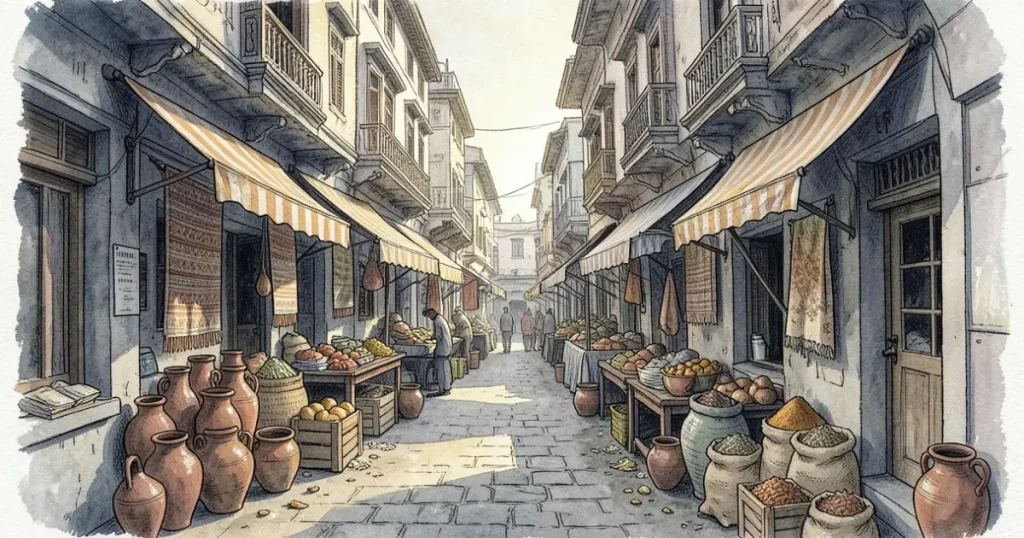
Many people think of Urdu as a Muslim language. The history says something wider. Urdu grew out of the everyday speech of northern India, often called Khari Boli, and its meeting with Persian, Arabic and Turkic words in the markets, courts and army camps around Delhi. People of every community lived in that world, and they all helped shape the language.
Who wrote in Urdu
Look at the writers. Munshi Premchand, born into a Hindu family, began his career writing in Urdu under the name Nawab Rai, and his first collection of stories, Soz-e-Watan, was in Urdu. Firaq Gorakhpuri, born Raghupati Sahay, is counted among the major Urdu poets of the twentieth century. Brij Narayan Chakbast of Lucknow and Ratan Nath Sarshar were both Kashmiri Pandits who wrote celebrated Urdu poetry and prose. Gulzar, born into a Sikh family, remains one of the best-known Urdu voices in Indian cinema.
The classical poets show the same mix. Mir and Ghalib wrote about love, loss, doubt and wonder, and their couplets are quoted by people of every belief. Nazeer Akbarabadi wrote joyful poems about Holi, Diwali, kite-flying and the fair, and he is still remembered as the poet of the common people.
Where the Persian and Arabic words come from
It is true that Urdu uses many words of Persian and Arabic origin, and some of those words appear in religious speech. But a language is not a religion. Hindi, Punjabi, Bengali and English also borrow from many sources, and nobody says they belong to one faith. English has taken thousands of words from Latin, French and Hindi, and it is not called a Christian language.
A shared home
For centuries Urdu was the language of courts, schools, newspapers, theatre and, later, film. A Hindu clerk in a Mughal-era office, a Sikh soldier, a Muslim poet and a Christian missionary all learned it because it helped them work and live together. Even the word Urdu comes from a Turkic word for camp, which tells you where it lived: among people who needed to understand each other.
What to remember
Urdu is a language of South Asia that people of many faiths have loved, written and spoken for centuries. It has Persian and Arabic words, Sanskrit-derived words, Turkic words and local words, all in one sentence. Anyone can learn it, enjoy it and write in it. That is the spirit of this sanctuary, and it is why you will find poets of every background on these pages.