Are Urdu and Hindi two unrelated languages?

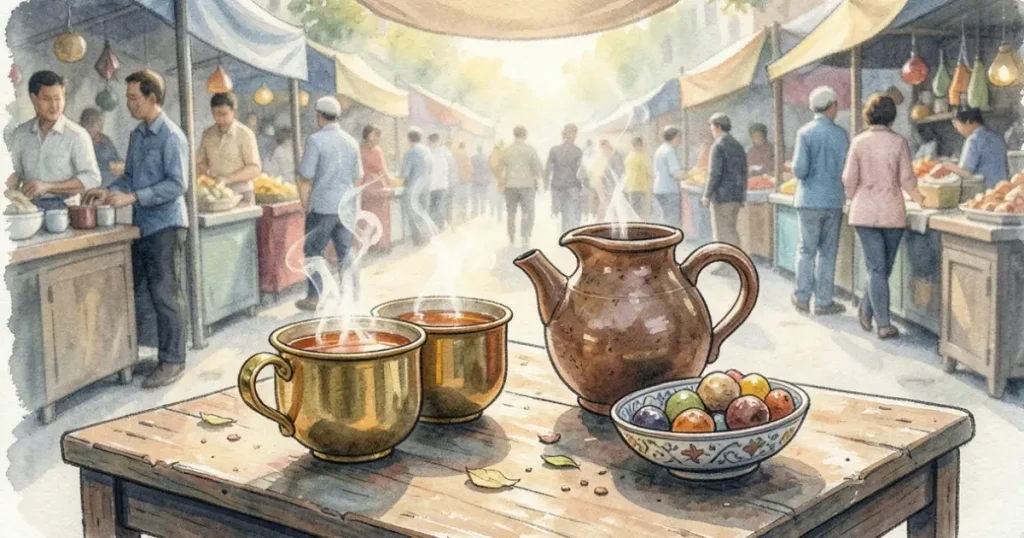
Ask a speaker of Hindi and a speaker of Urdu to chat on the phone, and in everyday matters they will understand each other without trouble. That is because both languages grew from the same spoken base, the Khari Boli of the Delhi region. At the level of grammar and everyday words, the two are very close. This is why many linguists and film-makers speak of Hindustani, the common spoken language.
Same speech, two scripts
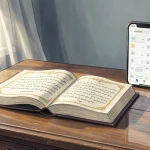
The big visible difference is the script. Urdu is written in a Perso-Arabic script, usually in the flowing Nastaliq style, from right to left. Hindi is written in Devanagari, from left to right. A sentence like ghar jaa raha hoon is the same in both languages, only the writing differs.
Where they part ways
The difference grows when people reach for formal or literary words. Urdu usually takes its higher vocabulary from Persian and Arabic. Hindi usually takes it from Sanskrit. So a person may say zindagi in Urdu and jeevan in Hindi, or intezaar and prateeksha, or dost and mitra. Everyday talk keeps both sets of words side by side, which is why a conversation is rarely purely one or the other.
What the films show
Hindi cinema is the best proof. Songs, dialogue and lyrics mix both vocabularies, and the audience does not stop to ask which is which. Great lyricists like Sahir Ludhianvi, Kaifi Azmi and Gulzar wrote in an Urdu-rooted Hindustani that millions of Hindi-speaking listeners loved. If you enjoy Hindi film songs, you already know a good amount of Urdu.
History helps
In the nineteenth century, script and vocabulary became linked to religious and political identity, and the two names started to be seen as rivals. That story is modern. For several centuries before it, poets in the same city wrote in the same speech without worrying about a label.
So are they unrelated?
No. They are close relatives that grew apart in script and formal vocabulary. Learning one gives you a long head start in the other. If you can read the Devanagari script and want to try Urdu, learning the Nastaliq letters is the main step. After that, a huge part of the language will already feel familiar.