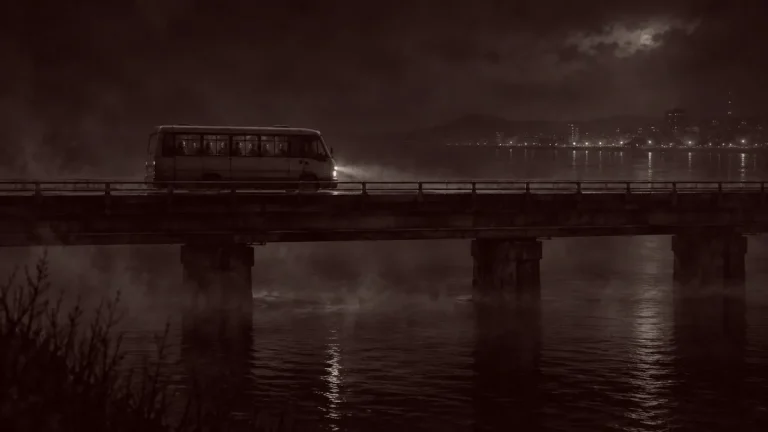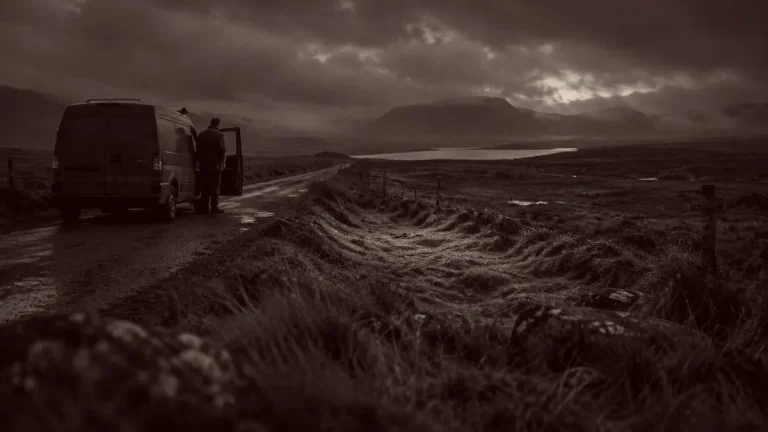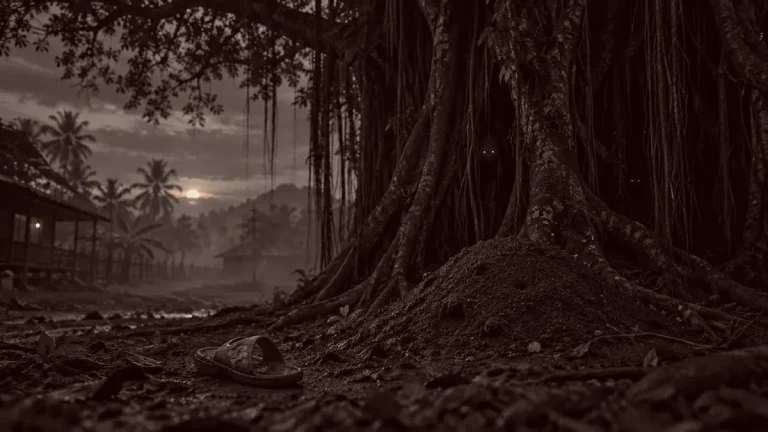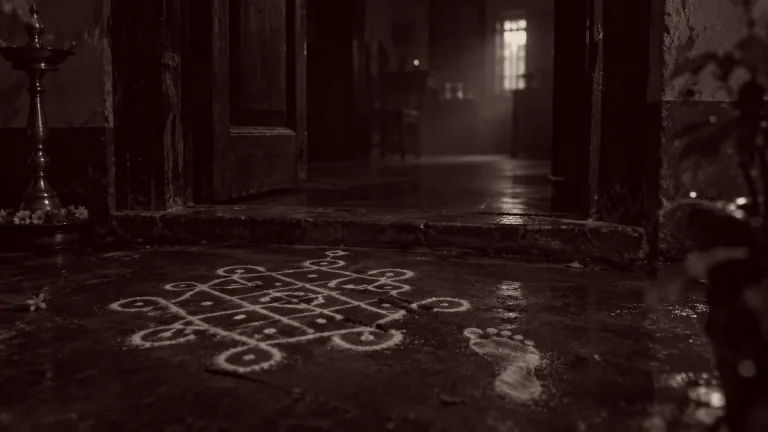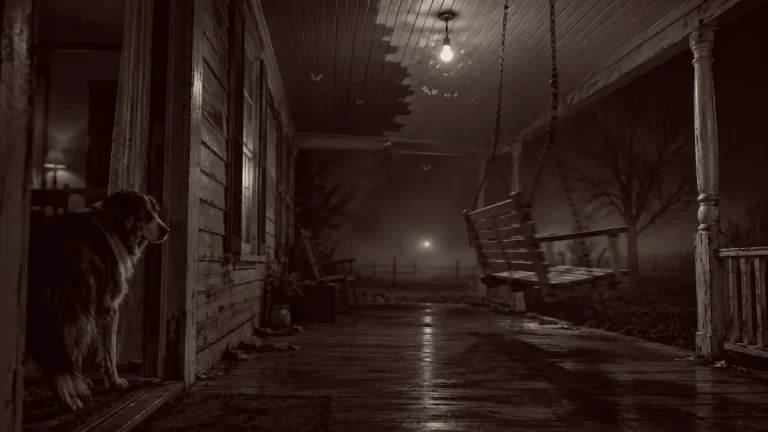
Munna the cobbler had mended every foot in Bhelupur for forty years. Then a veiled woman sat on his stool and put out a foot that faced the wrong way.
I am a lane, so I notice feet. It’s most of what I get to see of people. Rubber chappals from the Bata at the crossing, school shoes with the backs trodden down, the pink toenails of the girl from the second floor who thinks no one knows she goes to the cyber café at four. I know who is tired. I know who is lying to their mother about where they’re going.
And for forty-one years I knew Munna, because Munna sat on me.
His stall was a square of jute sacking by the drain where I bend toward the Durga temple, with a tin box of nails, a last, an awl, a pot of glue that smelled like burning sugar, and a cardboard sign that said MUNNA SHOE REPAIR in letters his nephew painted in 1997. Munna was small and bald and charged twenty rupees for a strap, and he had mended, at one time or another, every pair of feet that walked on me. He looked at you only from the ankles down. He said a person’s face was their business but their heels told the truth.
* * *
She came in the month of Bhadon, when I am wet from end to end and the gutters run green.
It was late, after the last aarti. She came round the corner from the temple side in a dark sari with the end pulled right over her face, the way village women do, and sat down on Munna’s stool without being asked, and said, in a voice like the hinge on the Gupta family’s back door, “Sandals. New ones.”
Munna was packing up. But a sale is a sale. He took out his paper and his pencil, the way he did for every new pair, and said, “Put your foot here, behenji.”
She put her foot on the paper. He drew round it, quick, the pencil whispering. Then the other foot. Then he held the paper up to the street lamp.
I saw him go still.
The tracings were backwards. The heel where the toes should be. The big toe at the back, on the outside. He looked from the paper to her feet, and her feet were under the sari again, and he didn’t ask to see them a second time.
Now, Munna knew what she was. Anyone who grew up in my bends knows a churail when one sits on his stool. A woman who died wrong, in childbirth or in grief, who walks at night with her feet turned back, so that anyone who follows her footprints walks away from home until they’re lost.
I thought he would make an excuse. I thought he’d say he was out of leather. That’s what a sensible man does.
Munna said, “Come back on Thursday.”
* * *
He made them so carefully. I watched him for two whole days while the ordinary jobs piled up. He cut the leather from a good hide he’d been saving for a wedding order. He stitched the straps by hand, small stitches, waxed thread. And he made them the right way for her, which was the wrong way: the toe-ring at the back, the heel-cup at the front, the strap angled so it would hold a foot that went the other direction from everybody else’s.
On Thursday night she came for them. She put them on right there on the stool, one and then the other, and stood up, and stood still for a long moment on my stones as if she was remembering something. Then she paid him. Seven coins, put into his palm one at a time. He showed his nephew in the morning. Copper paisa with a queen on them, and two silver ones with a king, rubbed smooth. The nephew wanted to sell them in Godowlia. Munna put them in his tin box with the nails.
* * *
After that, the footprints.
You’d see them in the mornings, in the mud by the drain, in the rice flour of the alpana outside the Bajpai house. Footprints. Small, a woman’s. Coming toward Munna’s stall from the direction of the river.
That’s how everyone read them. Of course they did. Toes pointing at the stall, so somebody had walked to the stall.
But I am a lane. I feel which way the weight goes. And the weight in those prints went away. Every night she came from his stall and walked back toward the burning ghat, and to anyone who looked down in the morning it seemed that she had been coming to him.
The old women told Munna to go to Sankat Mochan and tie a thread. Munna said there was nothing wrong. He’d started smiling a lot.
* * *
In Kartik she brought her sister.
I didn’t see the sister properly. Nobody did. Just another sari pulled forward, another foot set down on the paper in the lamplight. Munna drew round it. He held it up. He nodded as if he’d expected exactly that.
“Saturday,” he said.
He worked through Saturday night. The nephew found him at it at midnight and told him to go home and Munna said he would, soon, he only wanted to finish the second strap. The nephew went home. I was the only one who saw the two women come round the temple corner at three in the morning and stand by the stall, very close to him, one on each side, while he tied off the last stitch.
I can’t tell you what I saw. I felt his weight change.
* * *
Shukla-ji from the sweet shop found him at six, coming to light his milk boiler. Munna was sitting on his sacking, cross-legged, with his tools put away neatly in the tin box, and he was perfectly fine. Pink in the face. Humming “Lag Ja Gale”.
“Arre, Munna, you slept here?”
“I didn’t sleep,” Munna said. “I’m not tired at all.”
He stood up to stretch. And Shukla-ji, who has been standing on me for fifty years and is not a man who screams, screamed, and dropped the matches in the drain.
Munna looked down at his own feet, which faced behind him, his heels where his toes should be, his big toes on the outside, and he laughed. A big surprised happy laugh like a boy’s.
“Oh, it’s very comfortable,” he said. “Shukla-ji, you have no idea.”
* * *
He didn’t come back to sit at the stall after that day. He walked. He couldn’t stop, he said, and didn’t want to. People saw him all over Kashi, at Assi, at Lanka, by the university gate, walking and smiling, and when they called to him he waved.
The sacking is still there by my drain. The nephew keeps the sign. In the tin box under the nails are seven old coins and a pair of good leather sandals, finished, wrapped in a page of Dainik Jagran, that nobody has come to collect.
And every morning there are footprints. A man’s prints now, broad, a cobbler’s prints, with the toes pointing toward the stall, all the way up me from the river. Everyone says how sweet, look, Munna comes home every night.
I don’t tell them. I’m a lane. But I can feel which way the weight goes, and he is a little further off every time.