Content note Mentions emotional abuse and coercive control (non-graphic).
The bank clerk slid the form across the desk and said, “Just sign at the bottom, where it says Account Holder,” and Nora found that she could not move her hand.
It was such a small thing. A pen, a line, a box. The clerk was young and patient and had a little cactus on her desk with googly eyes stuck to it. Outside, the traffic hummed. Somewhere behind her a baby was making delighted noises at a ceiling fan. It was an ordinary Tuesday at an ordinary bank, and Nora was forty-three years old, and she was sitting with a pen above the paper, frozen, as if the line were a cliff.
“Take your time,” the clerk said.
Nora had not had her own bank account in nineteen years.
It had not happened all at once. That was the thing she could never explain to people, afterwards, when they asked — gently, or not so gently — why didn’t you just leave? It had happened the way the tide comes in. A little at a time, so you don’t notice your feet are wet until the water is at your knees.
When they married, Daniel had been charming, attentive, generous. He liked to take care of things. He said she worked too hard. He said it was silly to have two accounts, two sets of bills, two sets of paperwork, when they were a team. She had been tired and in love and flattered. She signed the papers he put in front of her without reading them. He was good with money. Everyone said so.
Then came the allowance, which he did not call an allowance. Then the receipts he liked to see, just to keep track. Then the questions about why the shopping cost what it cost, asked in a mild voice that somehow made her feel like a child caught stealing. Then the phone he paid for, and checked. The car that was in his name. The friends who were “a bad influence,” one by one, until there were none left to influence her. The job she gave up because he said the family needed her at home, and the way he reminded her, afterwards, in small ways, that everything in the house had been paid for by him.
He never hit her. She held on to that fact for years, like a railing. He’s never hit me. As if that were the line, and everything on this side of it was simply marriage.
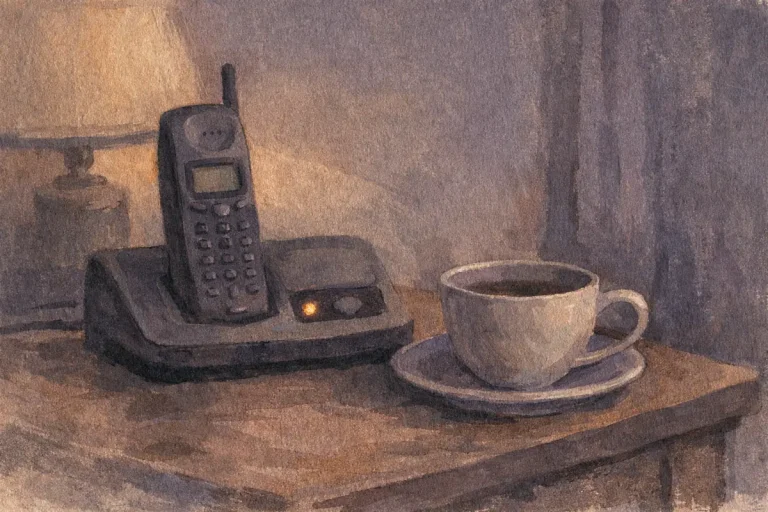
It was her sister who finally said the words, on the phone, late one night, after Nora had mentioned — lightly, laughing — that she had to ask Daniel before she could buy a new winter coat.
“Nora,” her sister had said. “That’s not normal. You know that’s not normal.”
She hadn’t known. That was the thing. She genuinely hadn’t known.
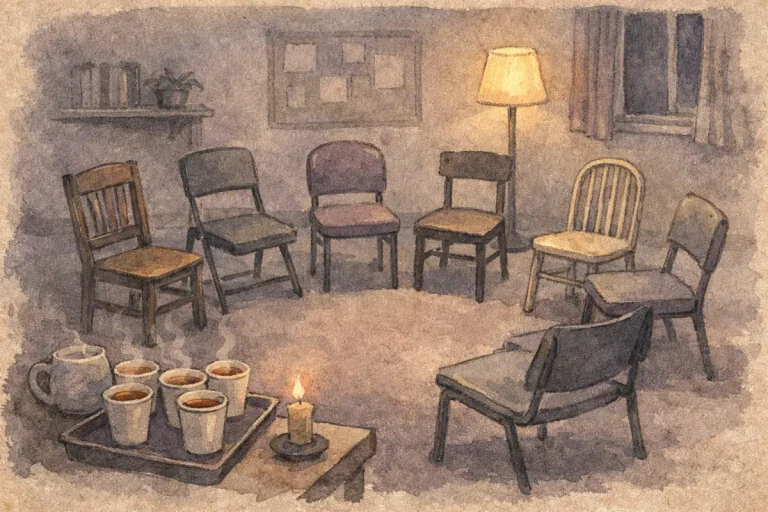
It took her two more years after that night. A support line she called from a café, in whispers. A counsellor who used a phrase Nora had never heard before, coercive control, and then explained it, slowly, and Nora sat in the counsellor’s small office and felt the floor fall away, because it was her life being described, word for word, as if someone had been reading her diary. A secret envelope of cash, built up from coins over months, hidden in a box of tampons because it was the only place he never looked. A friend from the old days who said, without hesitation, come and stay with me.
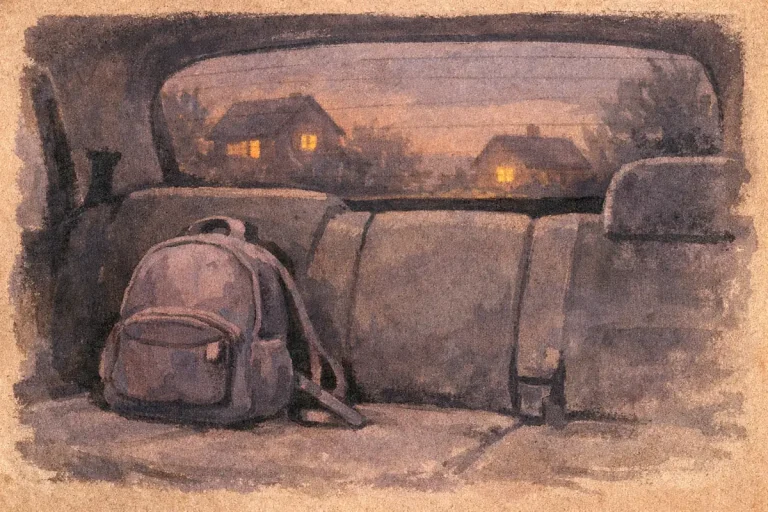
She left on a Thursday morning while he was at work. She took two suitcases and the cat.
That was a year ago.
Since then, she had learned to do things that other people did without thinking. Buying a sandwich without calculating how she’d explain it. Wearing a colour he hated. Leaving her phone in another room for a whole afternoon. Sleeping through the night. Every one of them had felt, the first time, like stepping onto ice.
And now she was here, at a bank, with a part-time job at a bookshop and her first pay cheque in nineteen years in an envelope in her bag, and a form that said Account Holder above an empty line.
“Is there anything you’d like me to explain?” the clerk asked.
“Actually,” said Nora, “could I read it first? All of it?”
“Of course.”
She read it. Every word. The terms and conditions. The interest rates. The fees for overdrafts and the rules for closing the account. The small print at the bottom, in letters so tiny she had to hold the paper close. It took her eleven minutes. The clerk waited, sipping coffee, not rushing her, and Nora loved her a little for that.
For nineteen years she had signed things without reading them. She had let someone else read her life for her and tell her what it said.
When she finished, she understood every line. There was nothing hidden. Nothing that belonged to anyone but her.
She picked up the pen. Her hand was steady now.
Nora Hale, she wrote. Her own name. Her old name, the one she’d had before, the one she’d taken back in a small office at the town hall three months earlier.
The clerk stamped the form and turned her screen around. “There you go,” she said. “That’s yours.”
On the screen was a number. Her pay cheque. Not very much, by most people’s standards. Enough for rent, and food for the cat, and maybe, if she was careful, a winter coat.
She looked at it for a long time.
“Are you all right?” the clerk asked, because Nora’s eyes had filled.
“Yes,” said Nora. “I’m just reading the small print.”
That afternoon she bought the coat. It was red, the brightest red in the shop. She paid with her own card. She did not keep the receipt.